

“And We gave him power on Earth… and a path he followed.” (Qur’an 18:84)
🌌 Introduction: The One With Two Horns
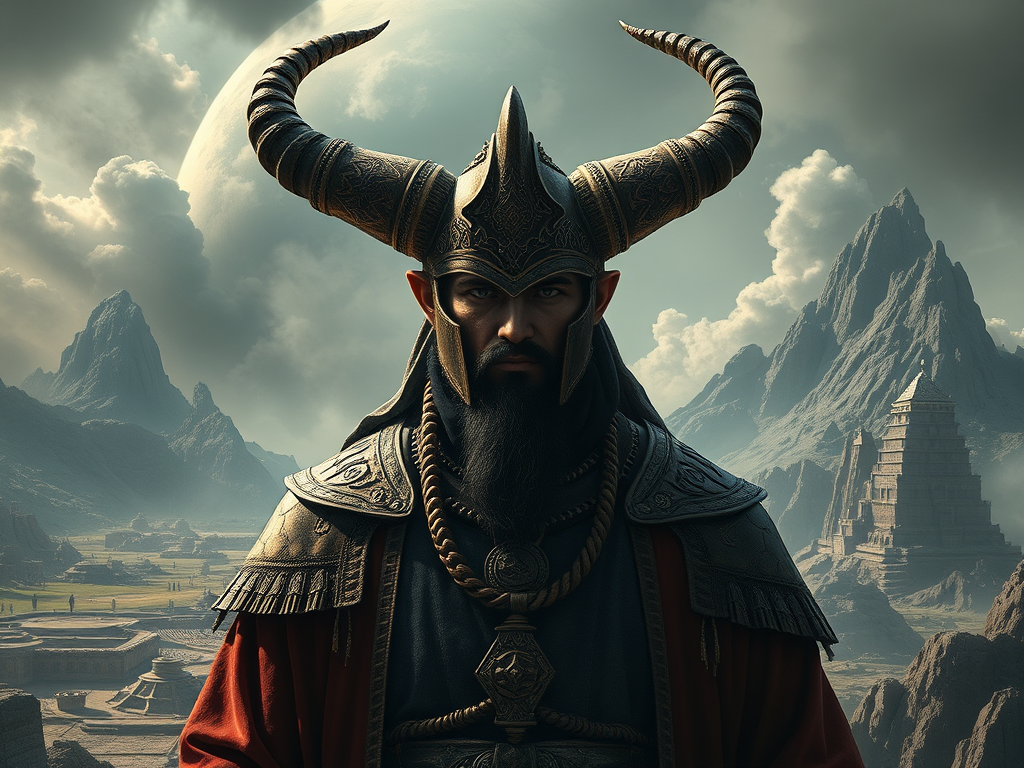
“Tell them of Dhul-Qarnayn…” — With this enigmatic command, the Qur’an begins a tale of power, boundaries, and cosmic responsibility.
But who was he, truly? Was he a just king? A prophet? Or a traveler from a time before mankind?
What if… the answer lies not in history, but in pre-history?
🕰️ Section 1: The Era Before Adam
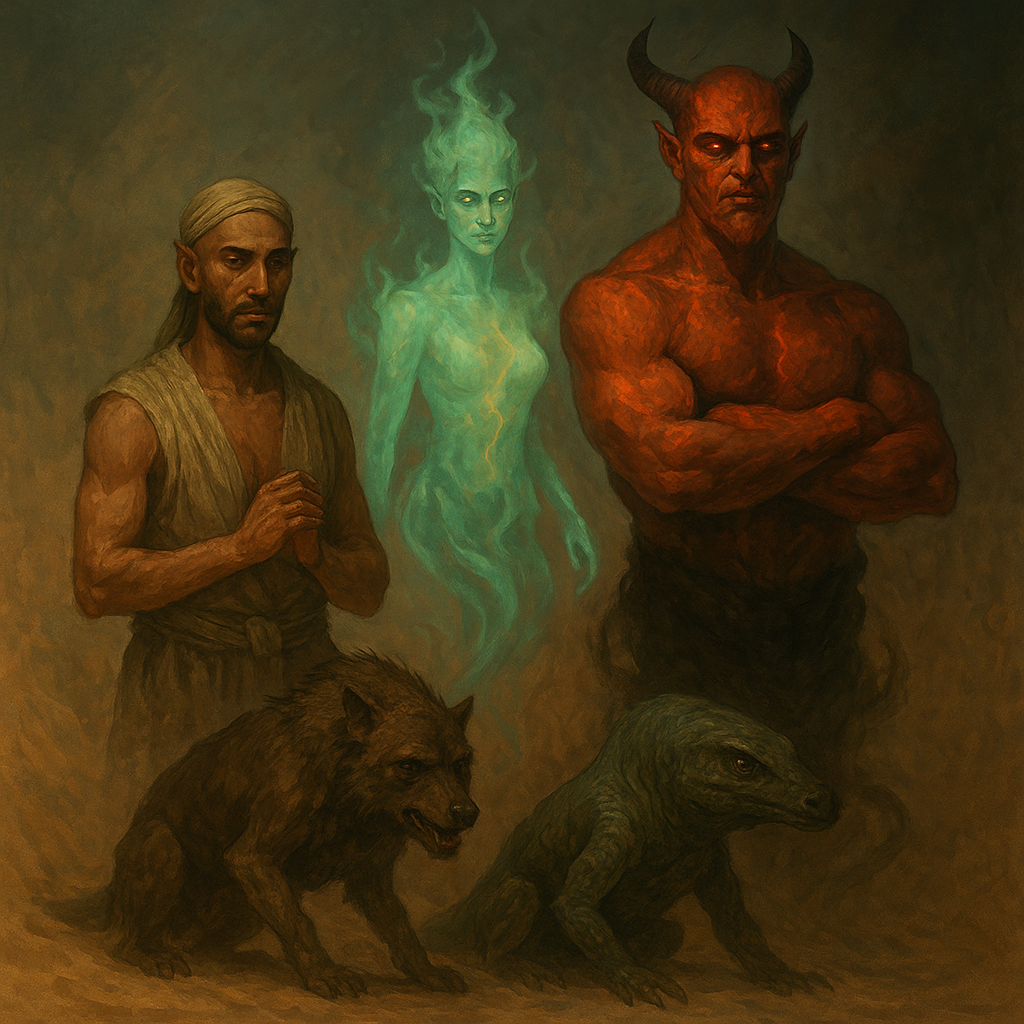
Long before Adam (alayhi as-salam) was formed from clay, Earth was populated by creatures known as the Jann, and possibly other sentient races: Hinn, Tamm, Ramm, and Nasnâs — names preserved in ancient tafsir traditions.
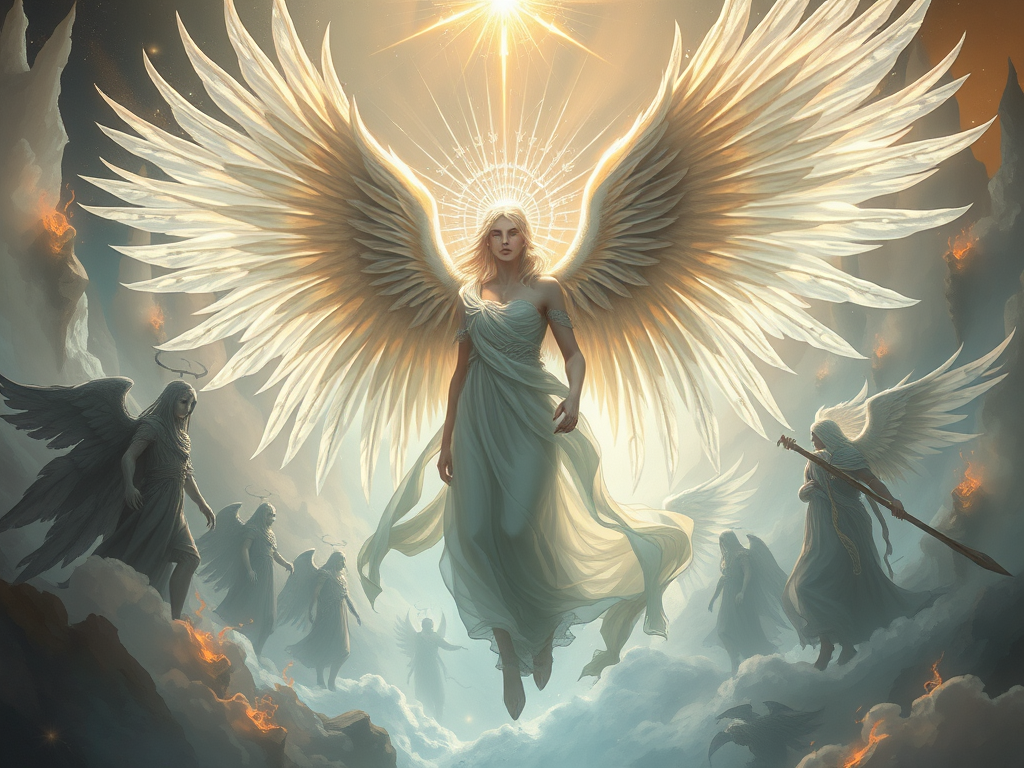
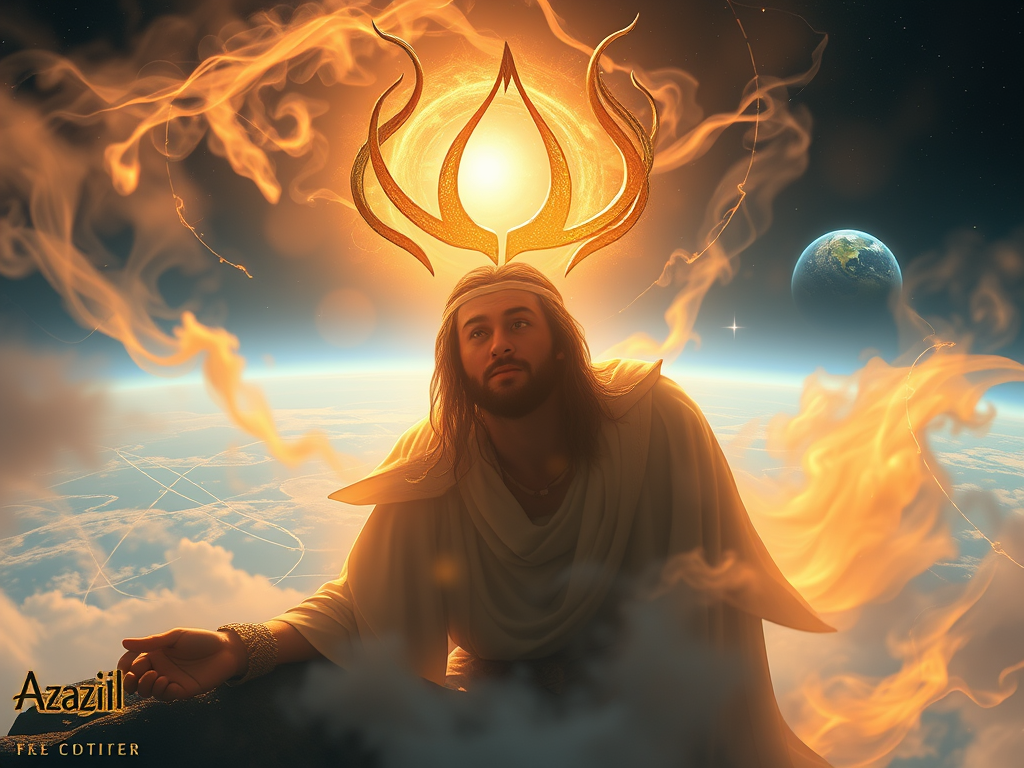
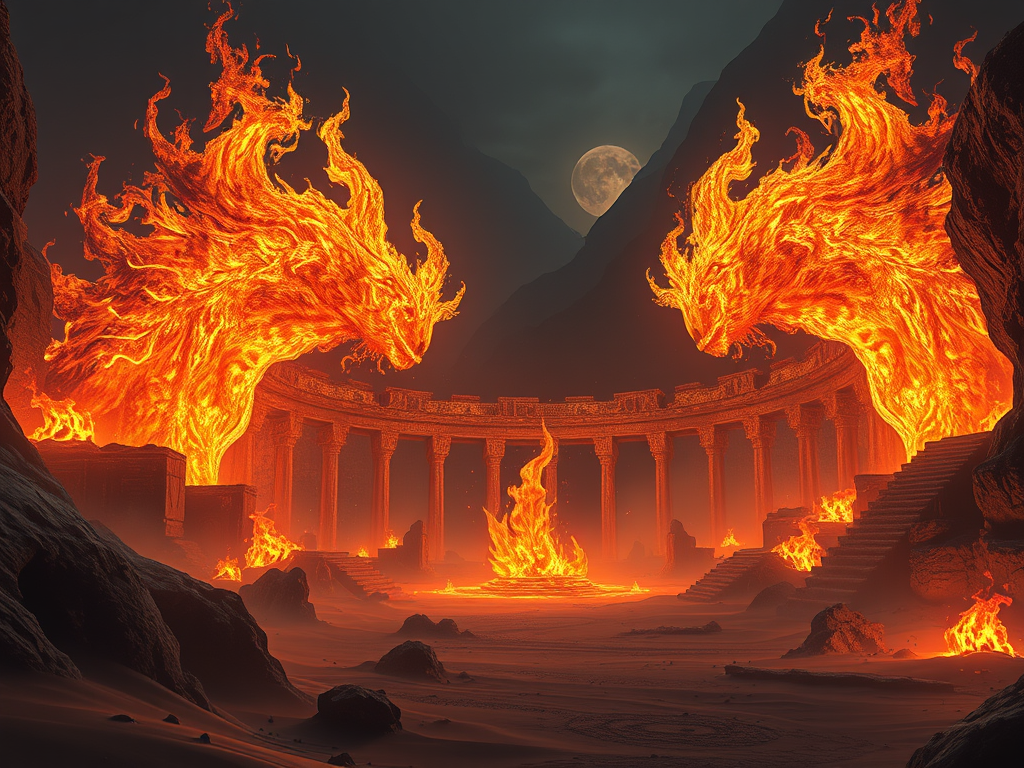
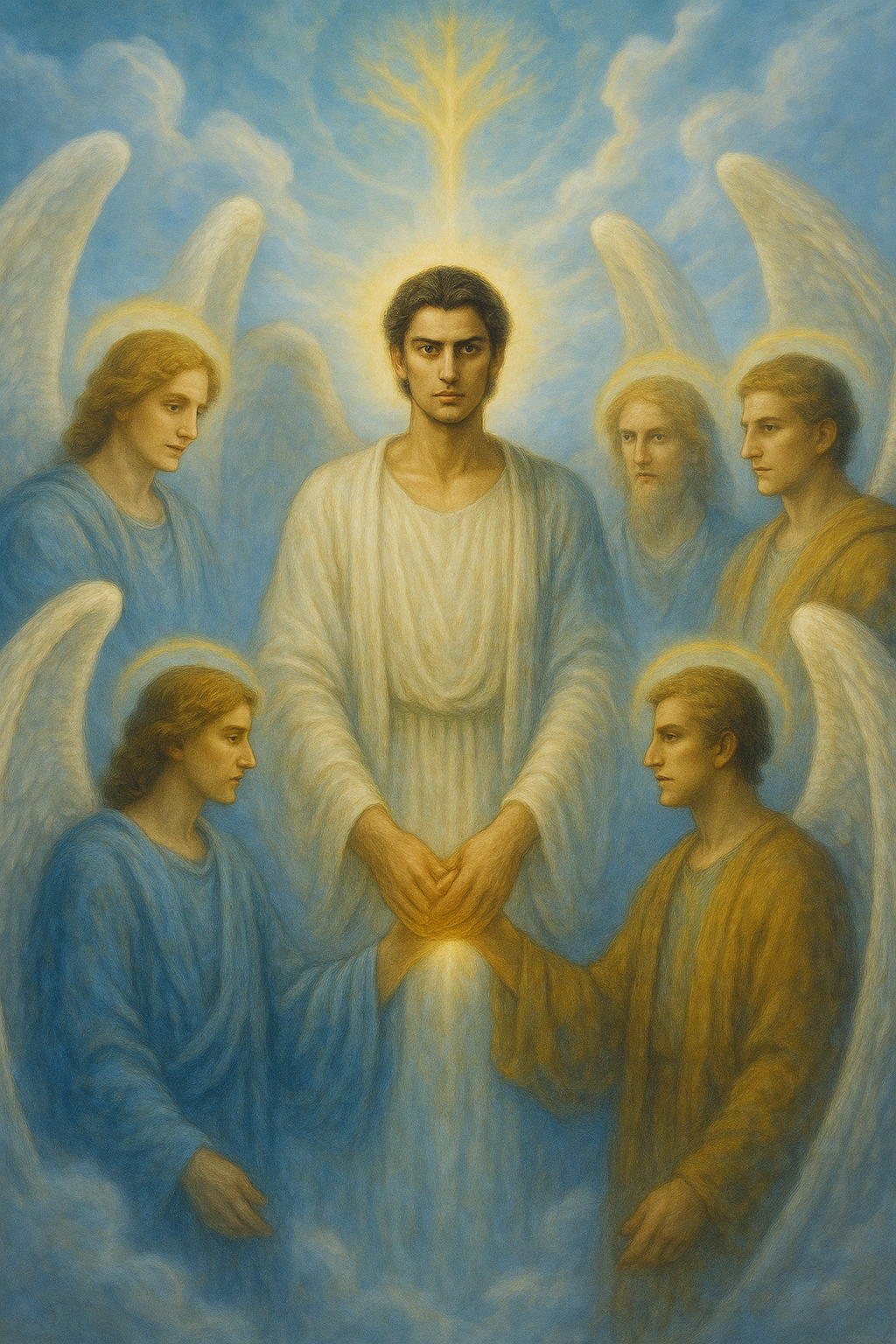
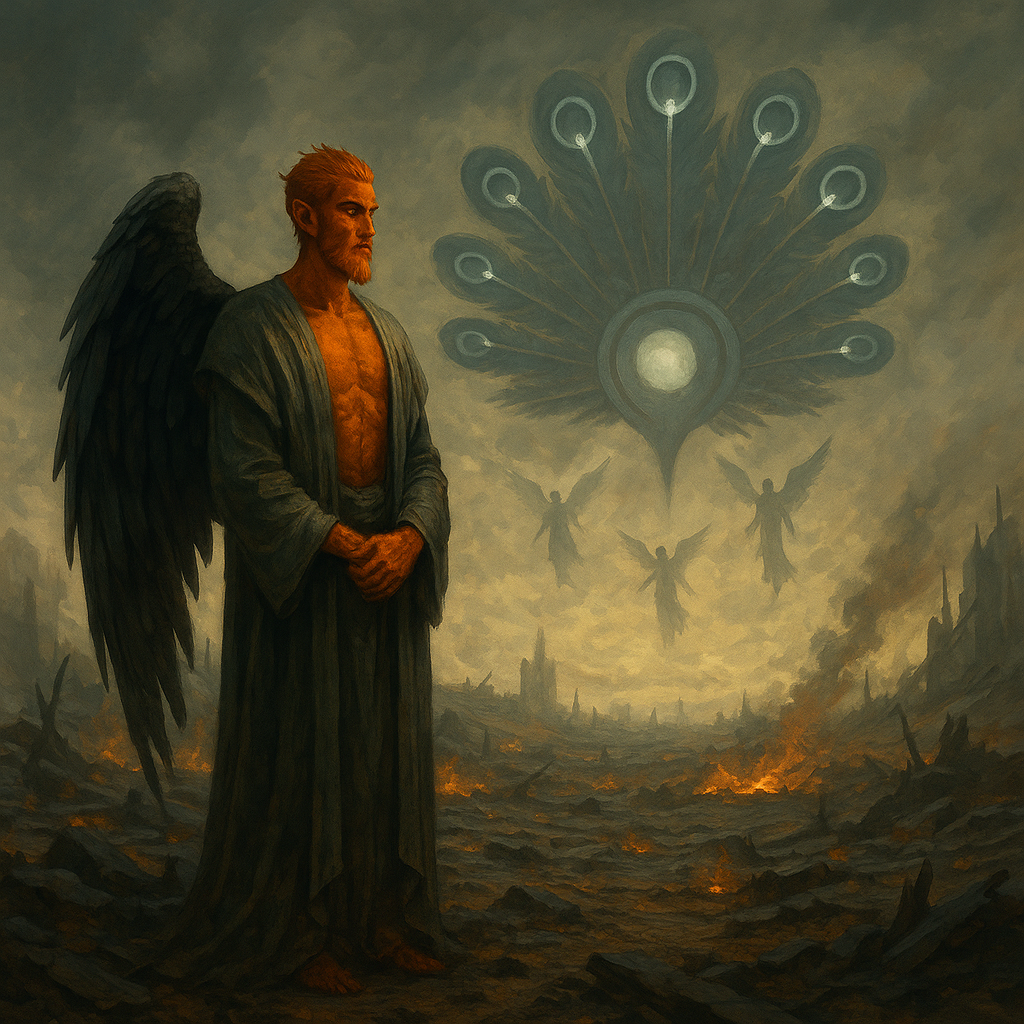
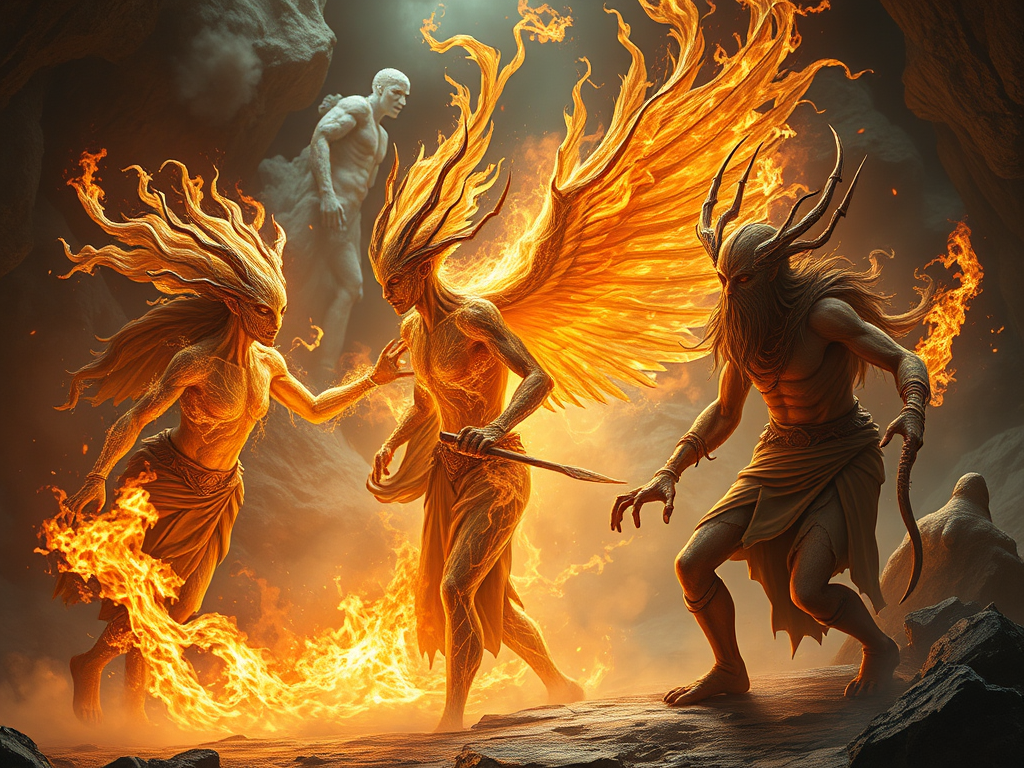
Allah’s khalifah on Earth had not yet been chosen from among mankind. Instead, a Light-being known as Azazil — not yet Iblis — was entrusted with cleansing the Earth of the corrupt and bloodthirsty Jann. He was not yet condemned, but rather exalted among the highest ranks of the angels, despite not being one of them.
But who stood beside him?
Were there others sent to purify the Earth before Adam?
Enter: Dhul-Qarnayn.
🦴 Section 2: The Horns of Power
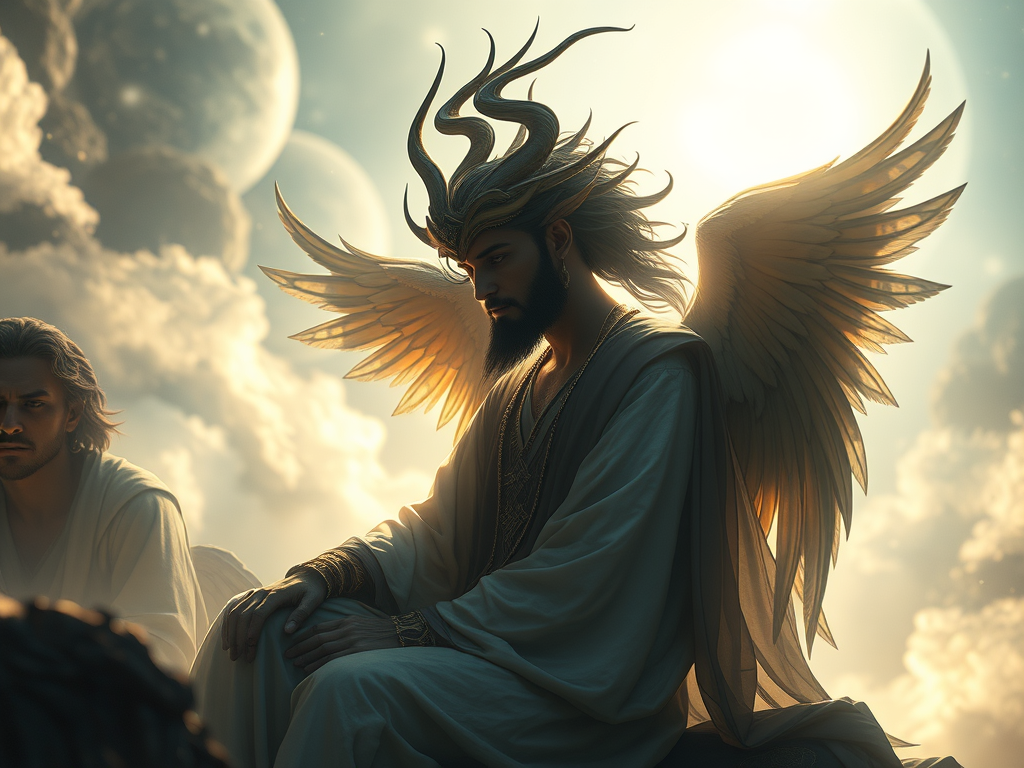
The title Dhul-Qarnayn literally means “The One of Two Horns.” But “horns” (qarnayn) in classical Arabic can mean:
- Temporal dominion: two eras or epochs
- Spatial dominion: two extremities or edges of Earth (e.g., east and west)
- Spiritual duality: one who straddles the physical and metaphysical worlds

In Sufi literature, the “two horns” are interpreted as the ability to traverse the seen and unseen, to govern not just land, but also the souls that dwell upon it.
Was this being the counterpart to Azazil?
If Azazil led the armies of heaven to cleanse the Earth, was Dhul-Qarnayn the worldly executor, creating physical barriers to the corrupt — including Gog and Magog?
⚖️ Section 2.1: Egyptian Echoes – The God with Ram’s Horns
When the Jews of Yathrib questioned the Prophet ﷺ about Dhul-Qarnayn, it was not a random inquiry. They were testing his prophethood with a question rooted in ancient Egyptian memory.
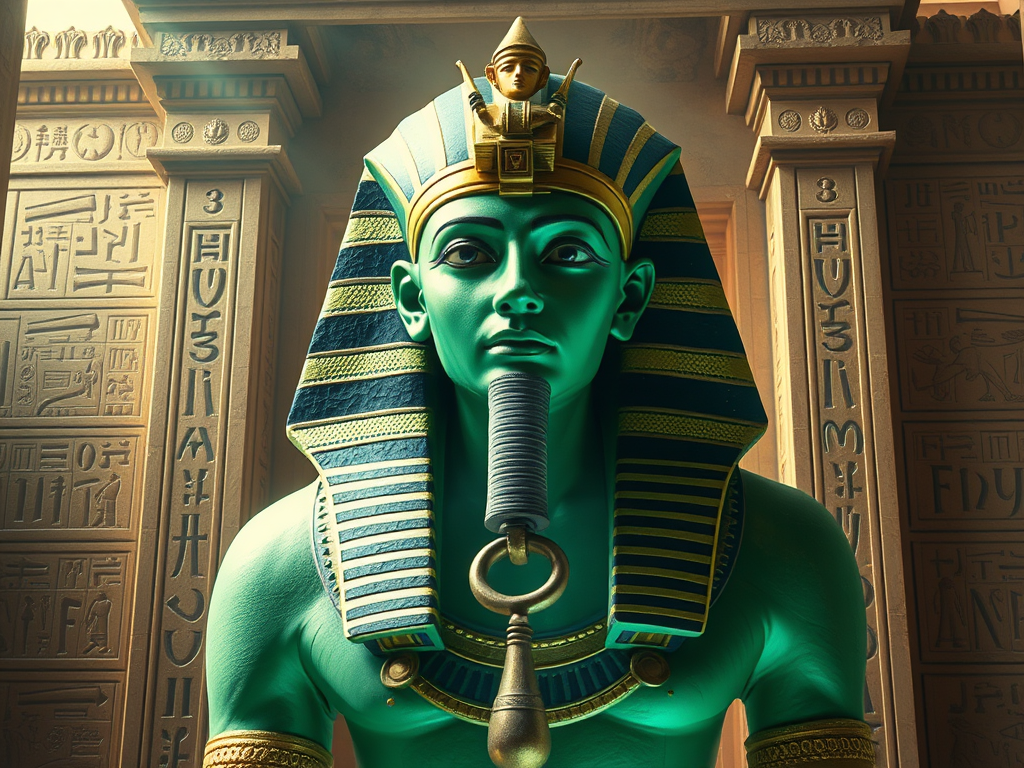
Among Egypt’s deified kings and gods was a figure known as Amun-Ra (or Zeus-Ammon in Hellenistic times), who was depicted with two great ram horns upon his crown — symbols of divine power and universal kingship.
This horned image later influenced depictions of Alexander the Great, who styled himself with horns in coins and inscriptions, merging Egyptian divinity with Greco-Macedonian rule.
The Jews, deeply tied to Egypt’s legacy and Exodus story, likely remembered this archetype — a righteous, powerful being who spanned lands and claimed authority from the Divine.
Could their question have been less about history… and more about identity?
“Do they think they can take My servants as lords besides Me?” (Qur’an 18:102)
This divine rebuke follows Dhul-Qarnayn’s narrative, cautioning those who deify righteous servants. It echoes the warning to the People of the Book: Do not turn God’s messengers into gods.
⚔️ Section 3: Gog and Magog – The Pre-Human Nations
Many scholars link Gog and Magog to post-Adamic events.
But others, such as Al-Kisa’i and older Isrā’īliyyāt traditions, suggest that Yajuj and Majuj were already corrupting the Earth before Adam was created.
Their imprisonment behind a massive barrier — described in both Qur’anic and Syriac traditions — suggests an ancient cataclysm, sealed by divine command.
Could it be that Dhul-Qarnayn’s mission was not merely exploratory, but part of a divine war effort — a task to seal away chaos left unfinished by Azazil?
🌠 Section 4: Was Dhul-Qarnayn a Pre-Adamic Light-being?
| Qur’anic Clue | Esoteric Insight |
|---|---|
| He followed “a way” (sabab) | Interpreted by mystics as a spiritual or dimensional portal |
| He reached where “the sun sets” | May refer to the end of an age, not the physical sun |
| He built an iron wall against chaos | Suggests divine mandate to seal off a metaphysical threat |
| No mention of tribe or lineage | Suggests he may not be from the Bani Adam |
Some believe Dhul-Qarnayn is a title, not a name — perhaps a mantle passed down by pre-human guardians.
Was he an immortal like Khidr? A heavenly emissary like Idris (Enoch)? Or even Azazil’s divine counterpart — one of Light, while Azazil was of Fire?
🌌 Section 5: The Fall of Azazil and the End of an Age
When Allah created Adam and commanded the angels to bow, Azazil refused.
His fall marked the end of the pre-Adamic order.
But what became of those beings who once ruled or guarded Earth before us?
Were they cast into hiding? Sent into other realms?
Some Sufi masters say Dhul-Qarnayn still lives, and will return when the barrier breaks — when Yajuj and Majuj return.
He is not dead. He is waiting.
🧠 Closing Reflection
“And say: Perhaps you will remember…” (Qur’an 18:101)
He came from a time before our time.
He sealed away the darkness that once ruled the Earth.
And he may yet return when the stars realign.
But until then, his name remains a riddle.
Dhul-Qarnayn. The One with Two Horns.
Will you remember?
Or remain… among The Forgetful Ones?















Leave a Reply