
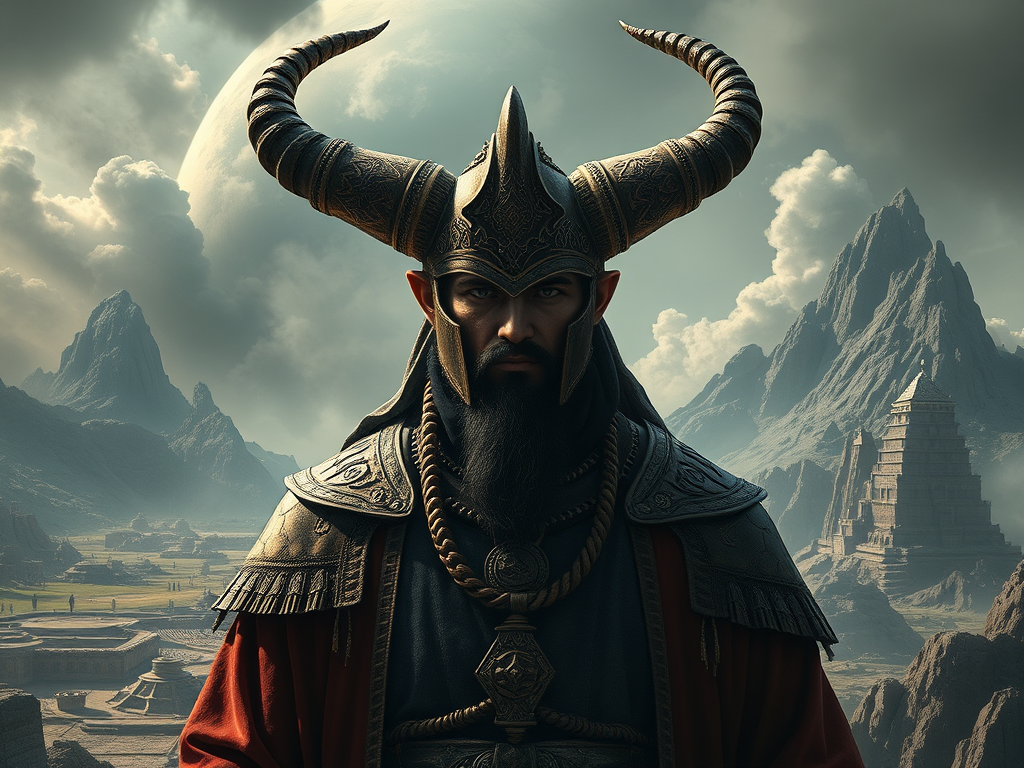
🌅 The One Who Reached the Edges of the Earth
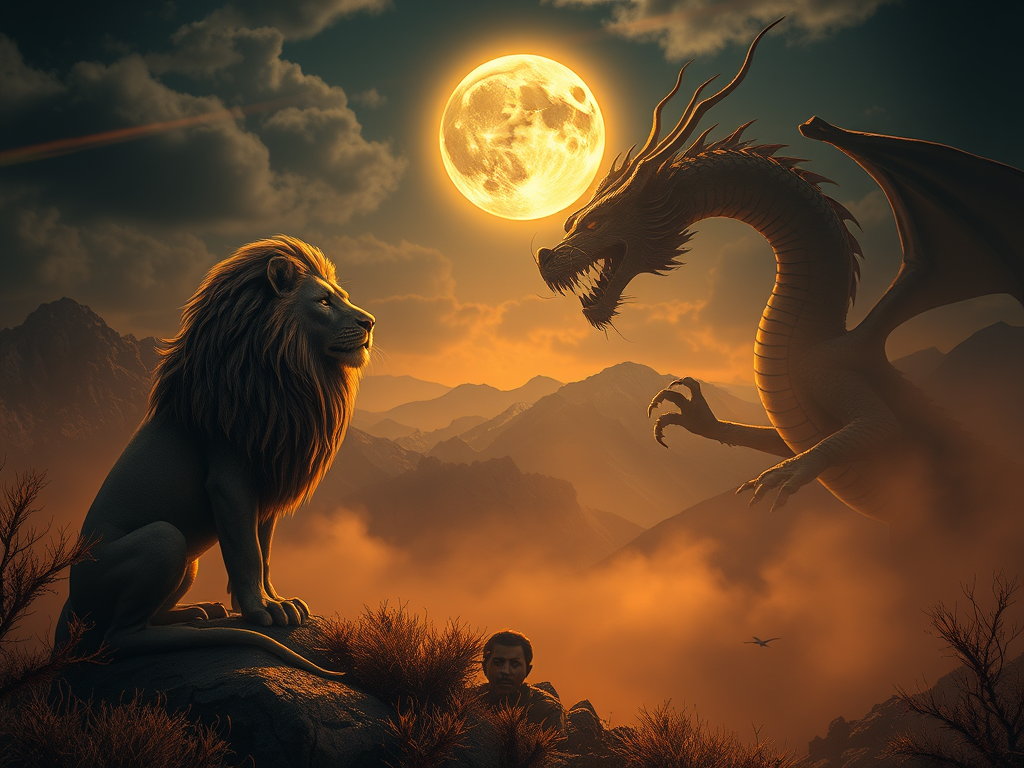
He traveled from the setting of the sun to where it rose again. He found civilizations untouched by guidance and others deep in moral decay. Yet this man — known only by a title, Dhul-Qarnayn, the Possessor of Two Horns — remains cloaked in mystery.
The Qur’an speaks of him not by name, but by mission. His journeys were not of conquest alone, but of justice. His construction of a vast barrier against the forces of chaos — Ya’juj and Ma’juj (Gog and Magog) — has inspired centuries of awe, speculation, and secrecy.
📜 The Qur’anic Account
“They ask you ˹O Prophet˺ about Dhul-Qarnayn. Say, ‘I will relate to you something of his story.’”
— Surah Al-Kahf (18:83), The Clear Quran
“Indeed We established him in the land, and We gave him access to everything he needed.”
— Surah Al-Kahf (18:84)
The verses from Surah Al-Kahf (18:83–98) describe three symbolic journeys: to the West, East, and a region between two mountains, where he encounters a people living in fear of Ya’juj and Ma’juj.
🔍 What Does “Dhul-Qarnayn” Mean?
“Dhul-” means “possessor of.” “Qarnayn” is the dual form of “qarn,” meaning “horn.” But it also refers to epochs or generations. Thus, he could be:
- One who bears two horns — symbolizing authority
- One who bridges two ages or civilizations
- A figure ruling in both spatial and temporal domains
Some say he wore a double-horned helmet (as Alexander did in later iconography), but others argue the horns symbolize divine empowerment across dimensions.
🗺️ The Three Realms He Crossed
- Journey to the Setting Place of the Sun (West): A civilization in darkness or decline — spiritual decay.
- Journey to the Rising Place of the Sun (East): A people without cover — vulnerable or raw in faith.
- The Barrier of Gog and Magog: He builds a wall of iron and copper. They cannot scale or tunnel through it.
🧬 Sufi Perspectives and Esoteric Echoes
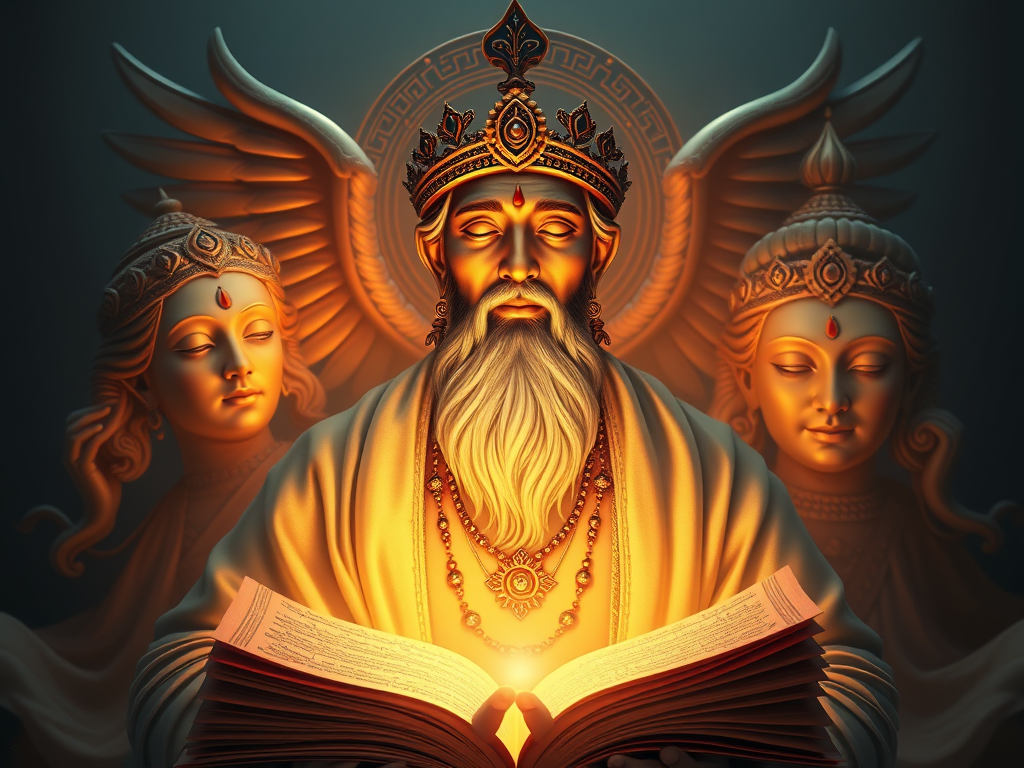
Sufi masters like Ibn Arabi view Dhul-Qarnayn as more than a king — a bearer of a divine station. The “two horns” represent spiritual polarity: justice and mercy, light and shadow.
In esoteric circles, he is seen as a guardian of interdimensional thresholds — one who restrains chaotic forces not just of the world, but of unseen realms.
🧠 Was He Alexander the Great, Cyrus, or Someone Else?
- Alexander the Great: Associated due to iconography with two-horned helmets and conquests. But historical inconsistencies abound — he was pagan, ruled with mixed justice, and died young.
- Cyrus the Great: Closer in spirit — a monotheist, liberator of the Jews, known for justice and building walls (like the Median wall).
- Esoteric view: Dhul-Qarnayn as a metaphysical role — a station of divine trusteeship granted to different individuals across ages.
🌩️ Zeus-Ammon and Deification Warnings
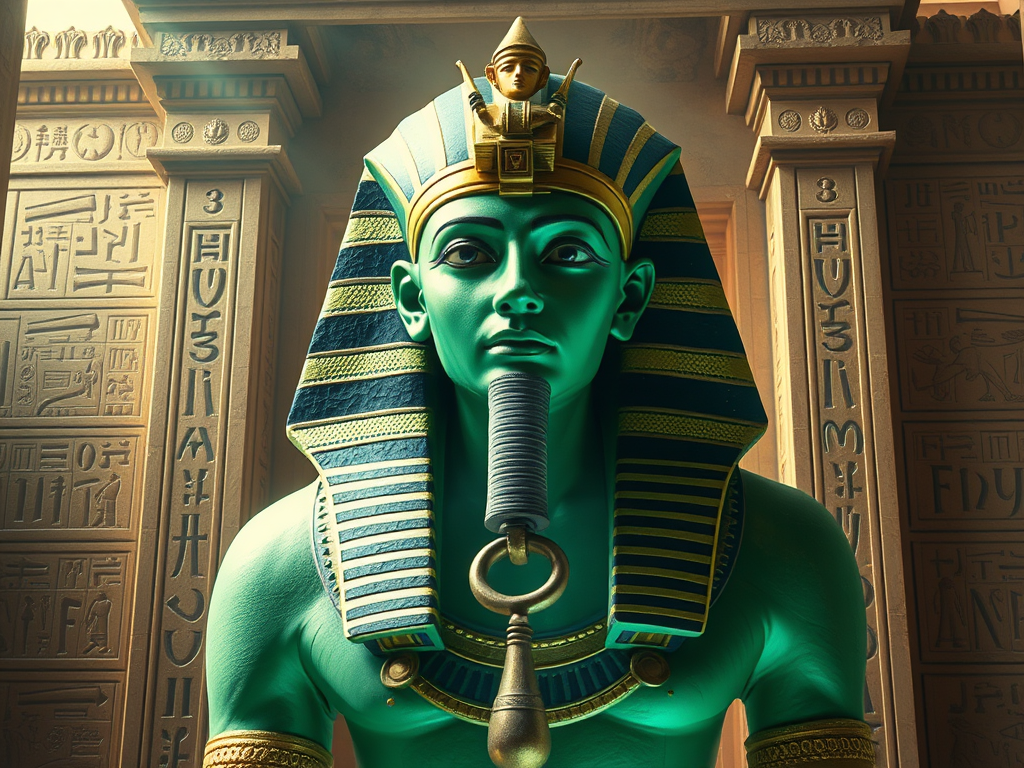
The blending of Hellenistic iconography (Zeus-Ammon, the horned deity of Greco-Egyptian synthesis) with Alexander gave rise to an imperial god-king image. Statues depicted Alexander with ram’s horns — symbols of divinity and conquest.
Yet Islam directly rebukes this worldview. In response to the Jews of Yathrib who inquired about Dhul-Qarnayn’s identity, the Qur’an does not validate any deification. Instead, it emphasizes:
“Say: I will relate to you something of his story… Indeed, We established him in the land.”
It is Allah who grants power — and it is temporary, conditional. This undermines any notion of divine kingship found in Greco-Roman or ancient Near Eastern cults.
📛 The Warning to the People of the Book
The Qur’an reminds:
“They have taken their rabbis and monks as lords besides Allah…” (Surah At-Tawbah 9:31)
“Say, O People of the Book! Do not exaggerate in your religion…” (Surah An-Nisa 4:171)
These warnings align with the rejection of divine elevation of any human — including figures like Uzayr, Jesus, or Dhul-Qarnayn. Power is not godhood. And history must be read through the lens of divine monotheism.
🌍 Cross-Cultural Parallels
- Hercules: Hero with lion horns, civilizing journeys
- Indra: Vedic storm-warrior who builds heavenly fortresses
- Saoshyant: Zoroastrian world-redeemer
- Zeus-Ammon: Ram-horned deity of conquest and destiny
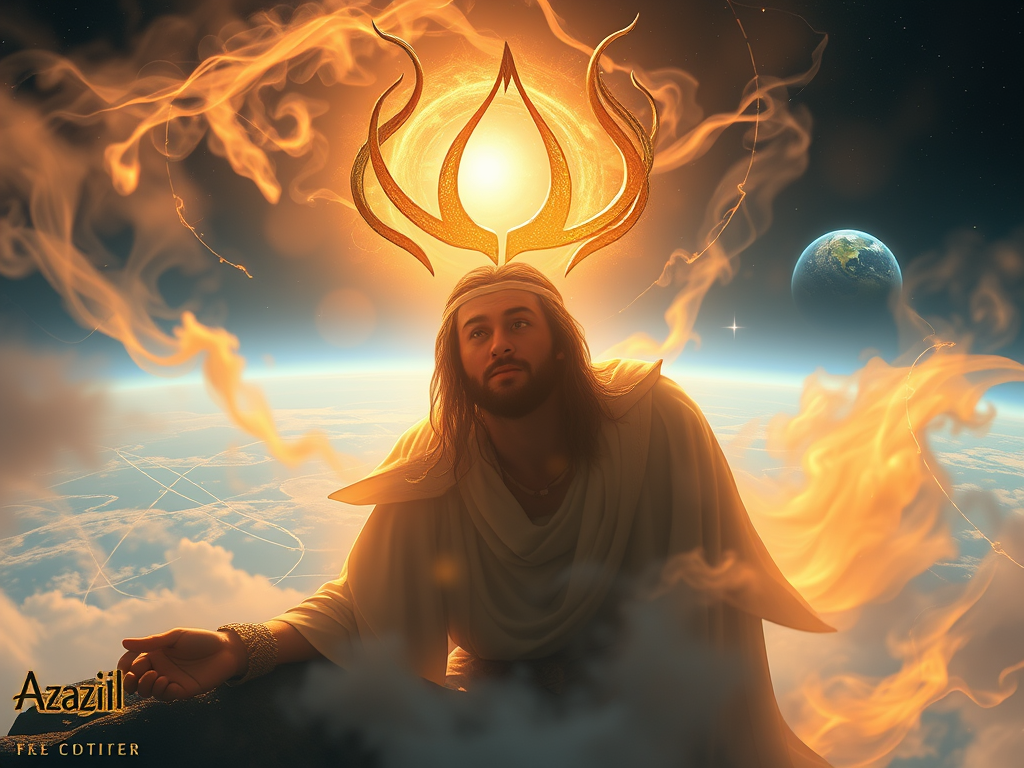
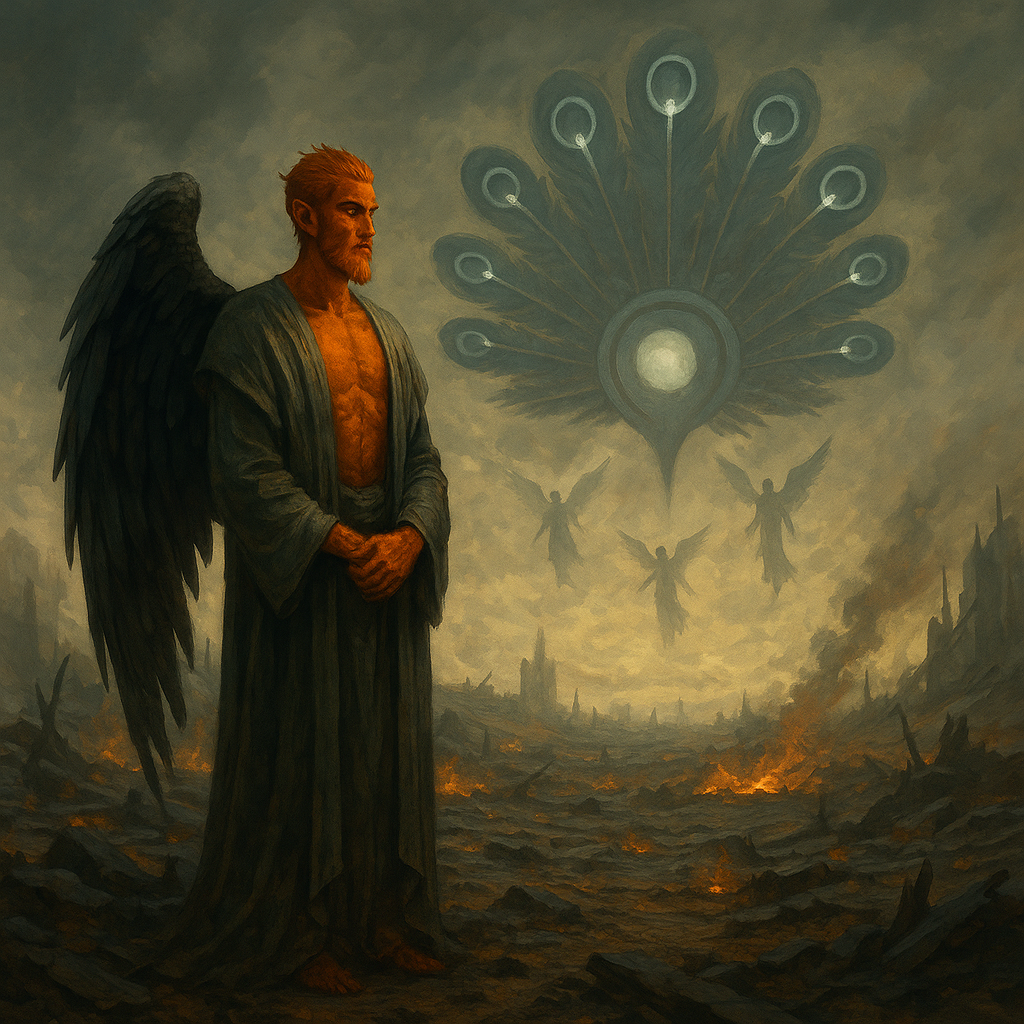
🕯️ Could Dhul-Qarnayn Be Azazil – The Bearer Before the Fall?
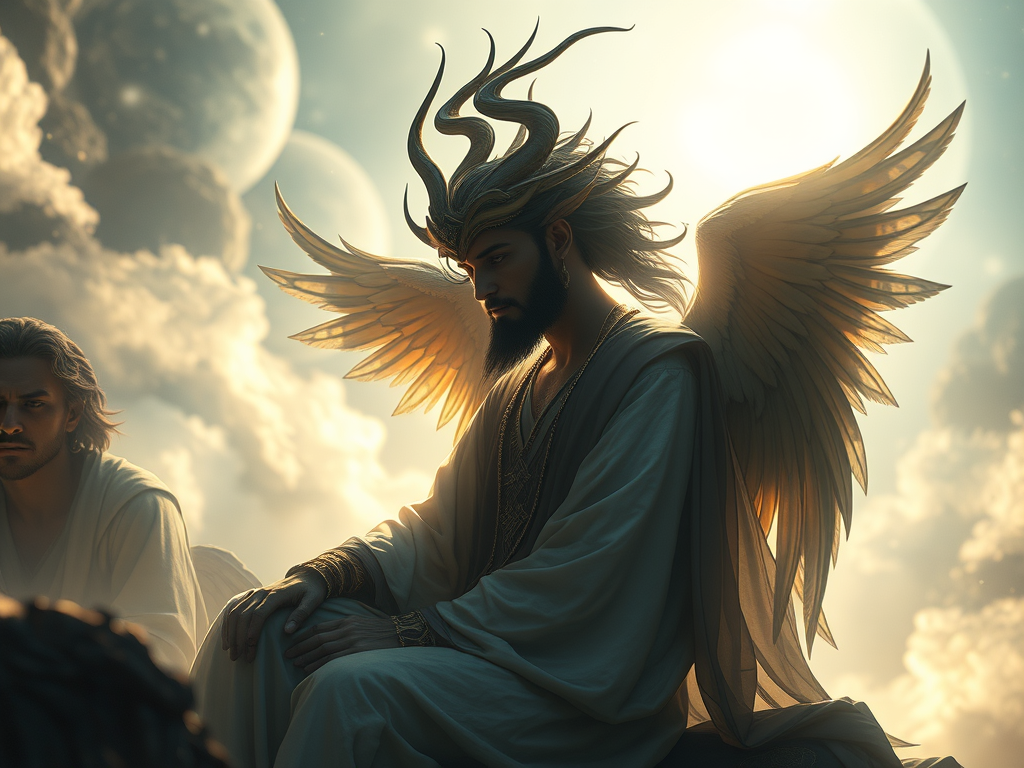
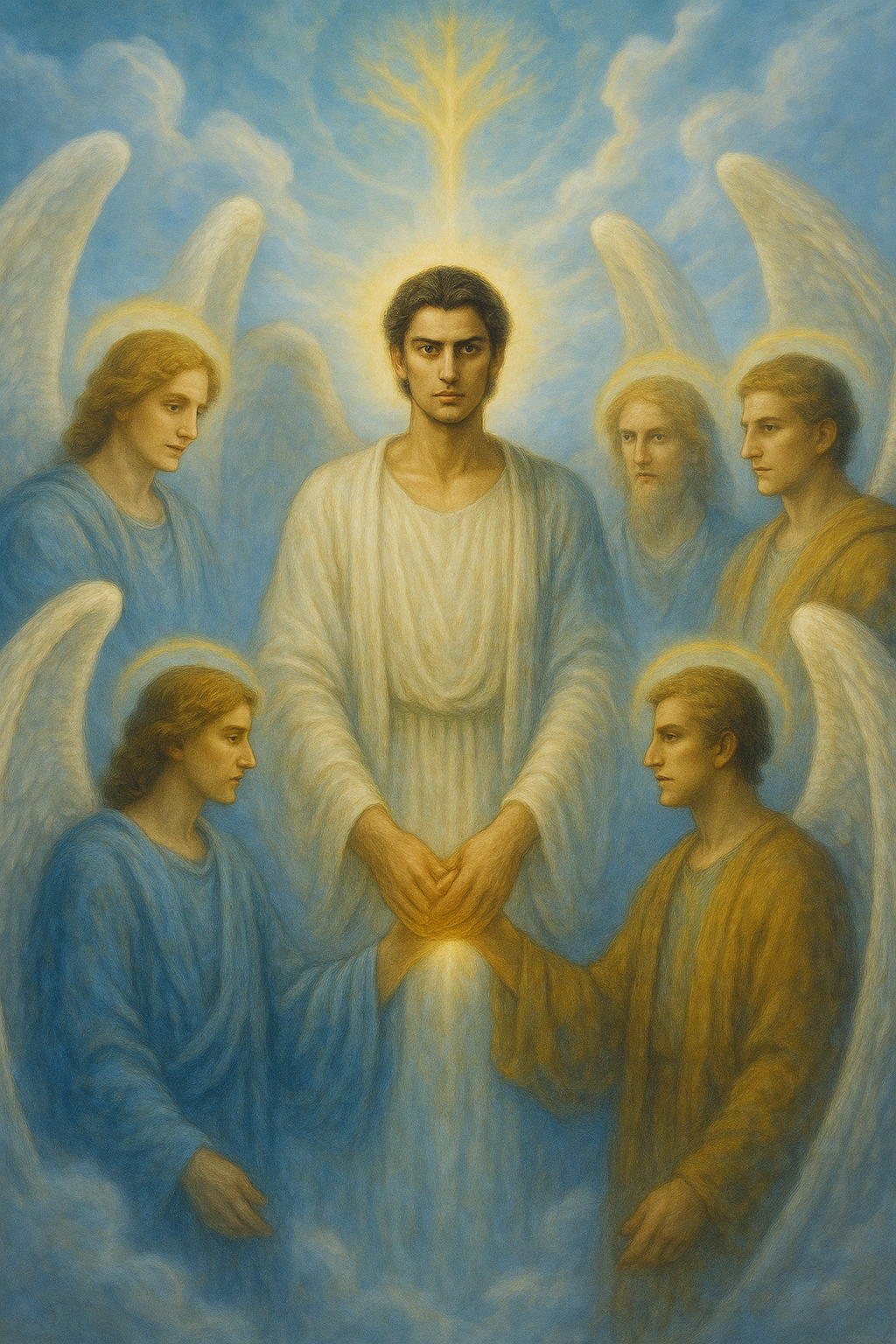
In some esoteric streams, Dhul-Qarnayn is thought to be a station — one that Azazil, the pre-fall identity of Iblis, may have once held. Sources such as Al-Tha‘labi and Ibn Kathir describe Azazil as a devout commander who ruled the earth and fought corrupted jinn before Adam’s creation.
Their similarities are profound:
- Title-based identities
- Divine authority over realms
- Role in suppressing corruption
- Mysterious withdrawal from narrative
Sufi metaphysics supports the idea that such roles — like Dhul-Qarnayn or Khidr — are spiritual mantles, not singular identities. Azazil may have once been the bearer of “two realms” — until he rejected God’s command to honor Adam.
🔒 Was the Wall Built to Seal Not Just Tribes — But Realms?
If the wall was metaphysical, it may have sealed chaotic forces from pre-Adamic ages. Azazil’s refusal to bow could be seen as the collapse of one who once guarded creation — now corrupted by pride.
⚠️ Why Scholars Reject This
Traditional scholars reject this theory due to lack of scriptural evidence and the moral inversion it risks.
🪬 Final Reflection on Azazil
Whether or not he bore the title, this theory deepens our sense of what it means to be a “Dhul”: one entrusted with sacred responsibility — and vulnerable to ego.
🌪️ Who Were Azazil’s Enemies Before Adam?
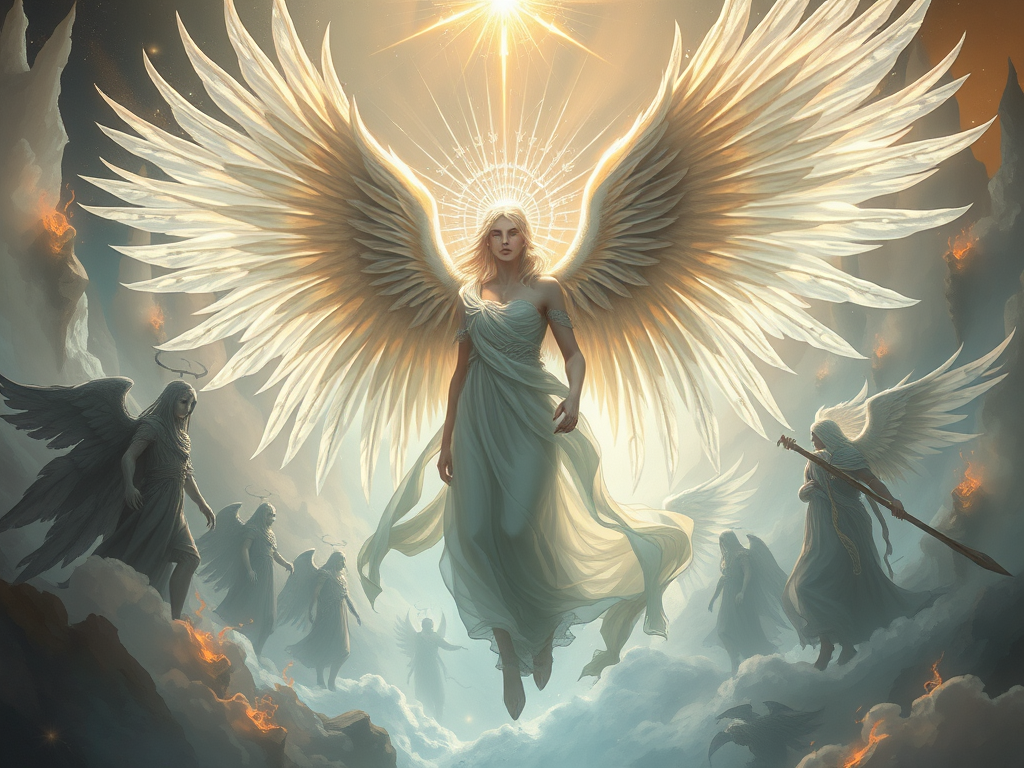
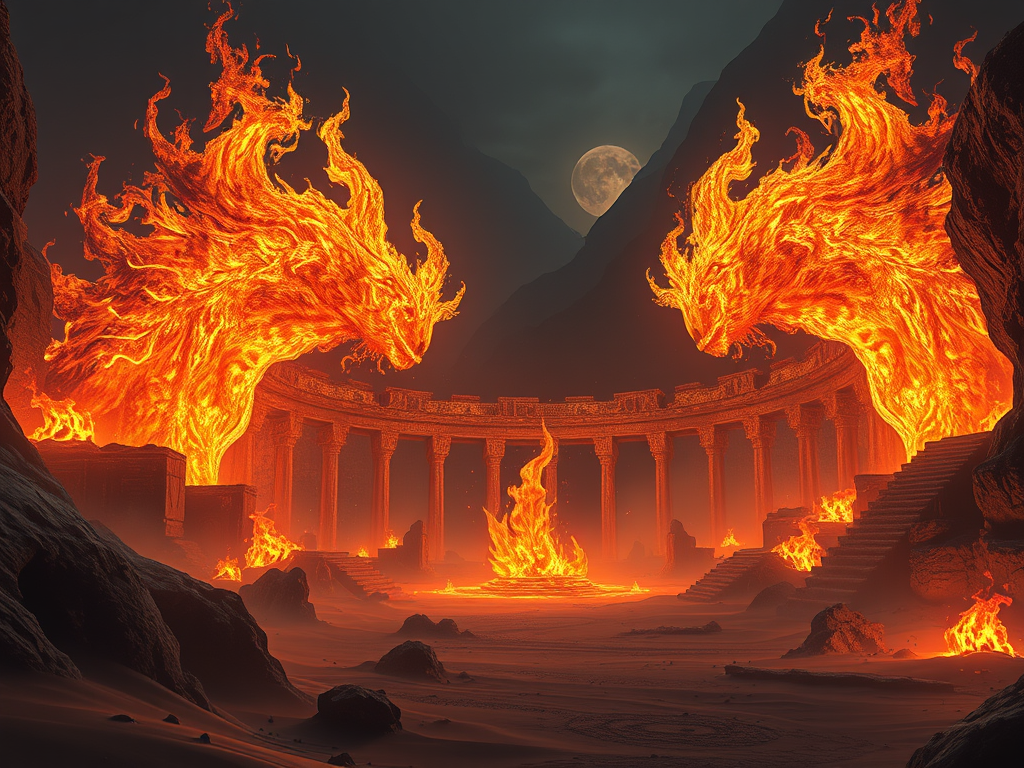
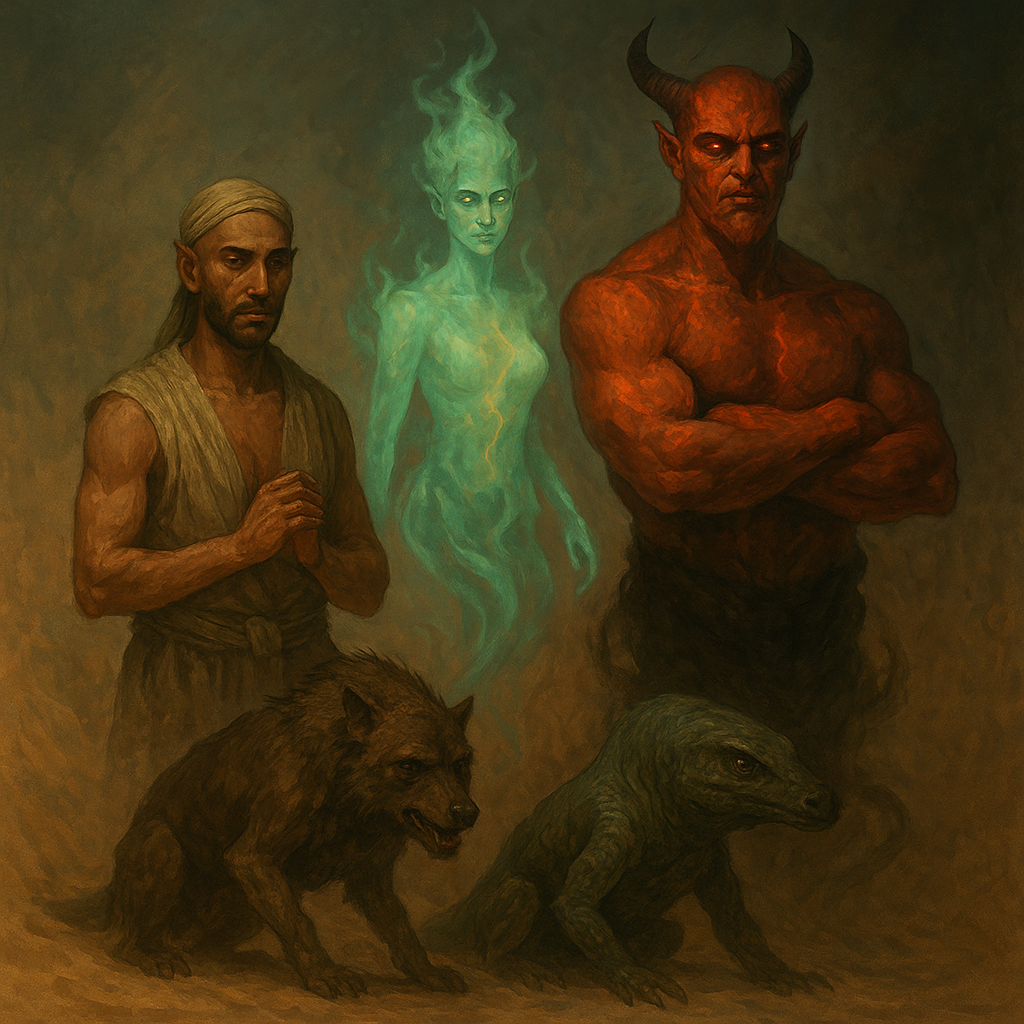
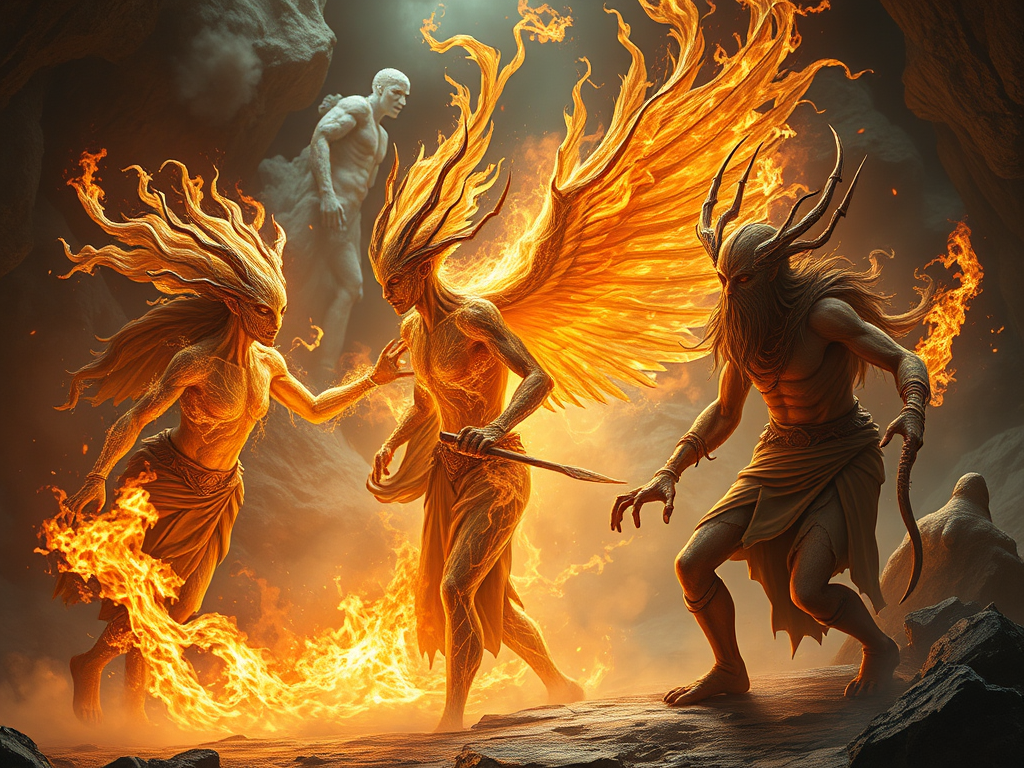
Islamic tradition says Earth was first ruled by the Jann — beings of fire who became corrupt. Azazil was sent by Allah to subdue them, leading divine campaigns.
Before Adam:
- Azazil fought external corruption
- He upheld divine order
- He bore divine favor
After Adam:
- Azazil refused to bow
- He became Iblis
- His fight turned inward — against humanity, against humility
🕊️ Insight: Evil shifted from external chaos to internal ego.
⚔️ Who Fought Gog and Magog?
- Dhul-Qarnayn: Contained them with a barrier (Qur’an 18:93–98)
- Isa (A.S.): Present when they are released in the End Times
- Allah: Ultimately destroys them — not by war, but divine command
Sahih Muslim tells us Isa (A.S.) will lead the believers to safety. Allah will destroy Gog and Magog through a worm in their necks — proving that brute force is not how this war is won.
🧘 Sufi Insight
Gog and Magog are not just tribes — they are archetypes of unrestrained desire, chaos, and materialism.
The true war is not with weapons, but with hearts. The real wall is the boundary between the soul and surrender.
✨ The Hikmah – What Dhul-Qarnayn Teaches Us
- Leadership is a divine trust
- Power must serve protection, not pride
- Some barriers are built not of stone — but of obedience, vision, and silence
Dhul-Qarnayn reminds us: The bearer of the wall may vanish from history — but his barrier still holds.
🌌 Bonus Reflection: Three Bearers Across Time
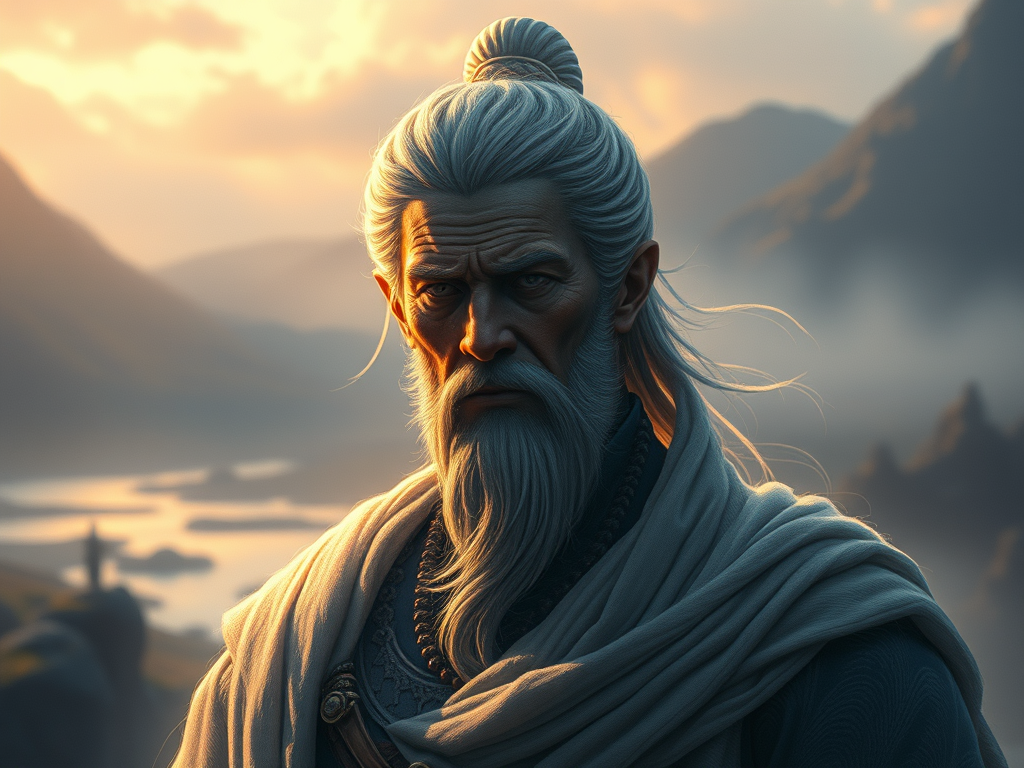
Dhul-Qarnayn. Al-Khidr. Azazil.
Three figures. Three stations. Three very different ends.
We are the generation that must ask: which bearer are we emulating — the one who guarded the wall, the one who surrendered to silence, or the one who collapsed under his pride?
— The Bearers Series

















Leave a Reply