

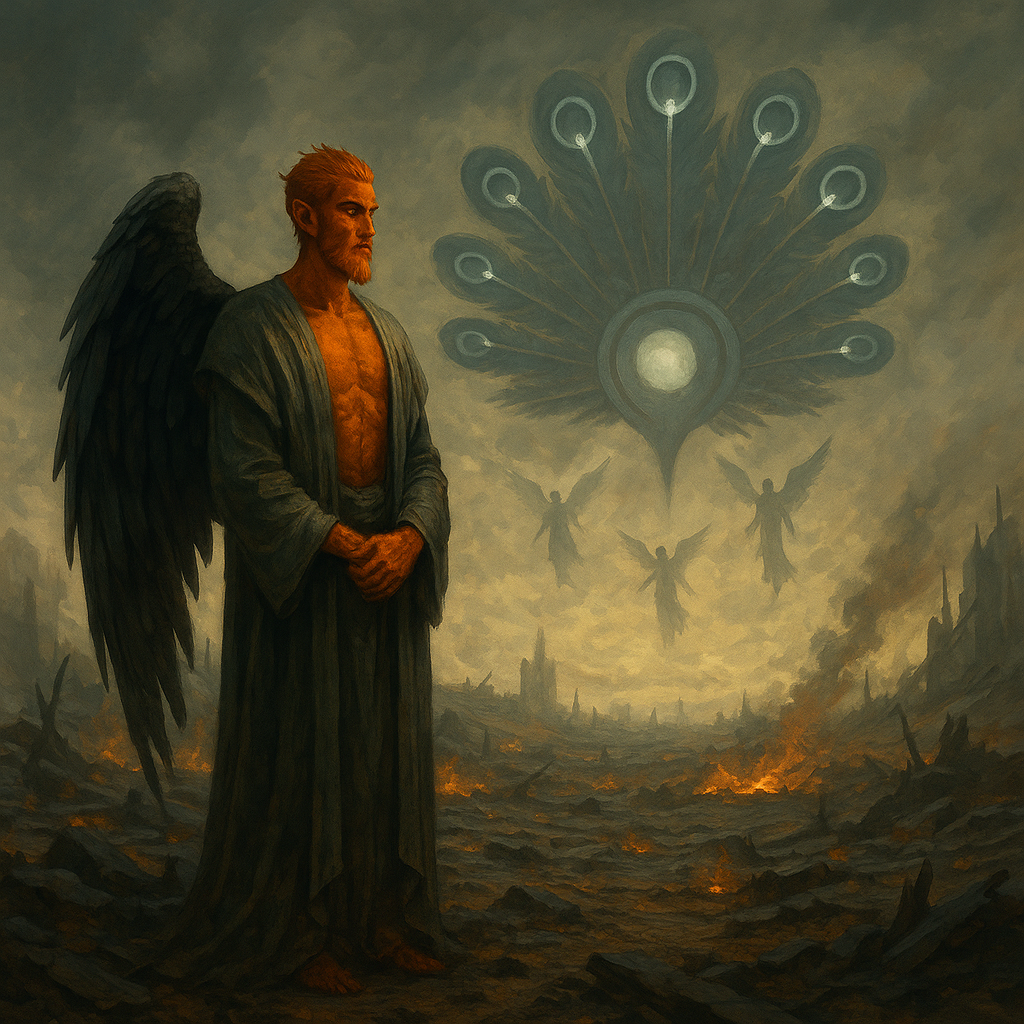
“I saw what they did not see…”
— As-Samiri, Surah Ṭā Hā (20:95-96), The Clear Quran
🧩 Who Was As-Samiri?
Among the cryptic figures in the Quran, none is more shrouded in mystery than As-Samiri. He is neither mentioned in the Bible nor found in the Torah. Yet in Surah Ṭā Hā, he emerges as the shadow force behind the construction of the golden calf—the very idol that nearly tore the Israelites away from divine guidance.
When Prophet Musa (‘alayhis-salām) returned from his sacred meeting with Allah, he confronted As-Samiri:
Moses then asked, “What did you think you were doing, O Sâmiri?”
He said, “I saw what they did not see, so I took a handful ˹of dust˺ from the hoof-prints of ˹the horse of˺ the messenger-angel ˹Gabriel˺ then cast it ˹on the moulded calf˺. This is what my lower-self tempted me into.”
— Surah Ṭā Hā (20:95–96), The Clear Quran
A handful of earth… a lowing calf… and knowledge that “they did not see.”
This was no ordinary idolater. This was a man who had retained, or revived, an ancient science—one possibly older than Pharaoh and rooted in priestly traditions long forgotten.
🌍 The Many Meanings of “As-Samiri”
While mainstream commentators often suggest “As-Samiri” refers to a Samaritan or mischief-maker, the Quran gives us no genealogy—only a title. And like many Qur’anic names, this may preserve a memory far older than what we assume.
Across ancient tongues, similar roots emerge:
| Tongue | Term | Possible Meaning |
|---|---|---|
| Akkadian | Šumeru-i | A man from Sumer |
| Egyptian | Sem-priest / Sema-Tawy | Ritual unifier or funerary high priest |
| Hebrew | Shomer (שׁוֹמֵר) | Guardian, Keeper |
| Old South Arabian | SMR root | Protector, Preserver |
| Sanskrit | Samir (समीर) | Wind, breath, animation of spirit |
Taken together, As-Samiri may be a veiled reference to a high initiate of sacred rites—someone capable of channeling life into matter, using ritual science long buried by prophetic revelations.
🐂 The Calf That “Lowed”: A Paradox of Sound and Spirit
The Quran is clear: the calf made a sound.
Then he moulded for them an idol of a calf that made a lowing sound. They said, “This is your god and the god of Moses, but Moses forgot ˹where it was˺!”
— Surah Ṭā Hā (20:88), The Clear Quran
This wasn’t just a statue. It was a living illusion, or perhaps a spiritually animated object—a motif not unfamiliar to earlier civilizations.
Let’s look at the parallels that may have inspired or echoed this incident:
🏺 In Sumer: Calves of Divinity and Ritual Animation
The Sumerians, who referred to themselves as the “lú eme-ĝir” (people of the noble tongue), often depicted gods in the form of bulls or calves, representing strength, fertility, and divine kingship.
- The god Dumuzi (Tammuz) was symbolized by the young bull and underwent a ritual death and resurrection.
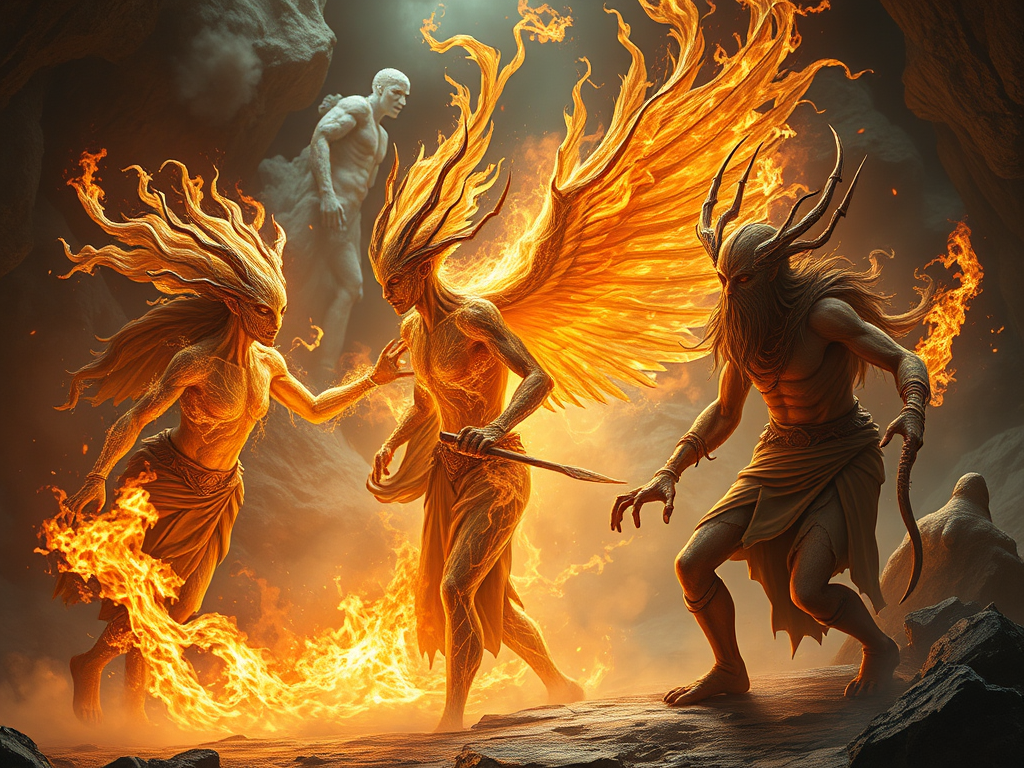
- Temples in Uruk and Eridu preserved traditions of priestly animism, where objects (idols, effigies) were ritually “fed,” bathed, and given life through incantations and breath (niš ilim).
Such rites were likely part of a techno-spiritual science—a form of divine simulation—where spirit could be coaxed into form.
🧠 Could As-Samiri have inherited or reawakened such knowledge?
🐄 In Egypt: The Apis Bull and Breath of Life
Egyptian rituals for the Apis Bull (Hapi) share eerie similarities:
- Chosen from birth for its divine markings, the Apis bull was considered a living embodiment of Ptah or Osiris.
- After death, the bull’s remains were embalmed like royalty, and priests performed rites of renewal, whispering sacred words believed to revive the soul in another body.
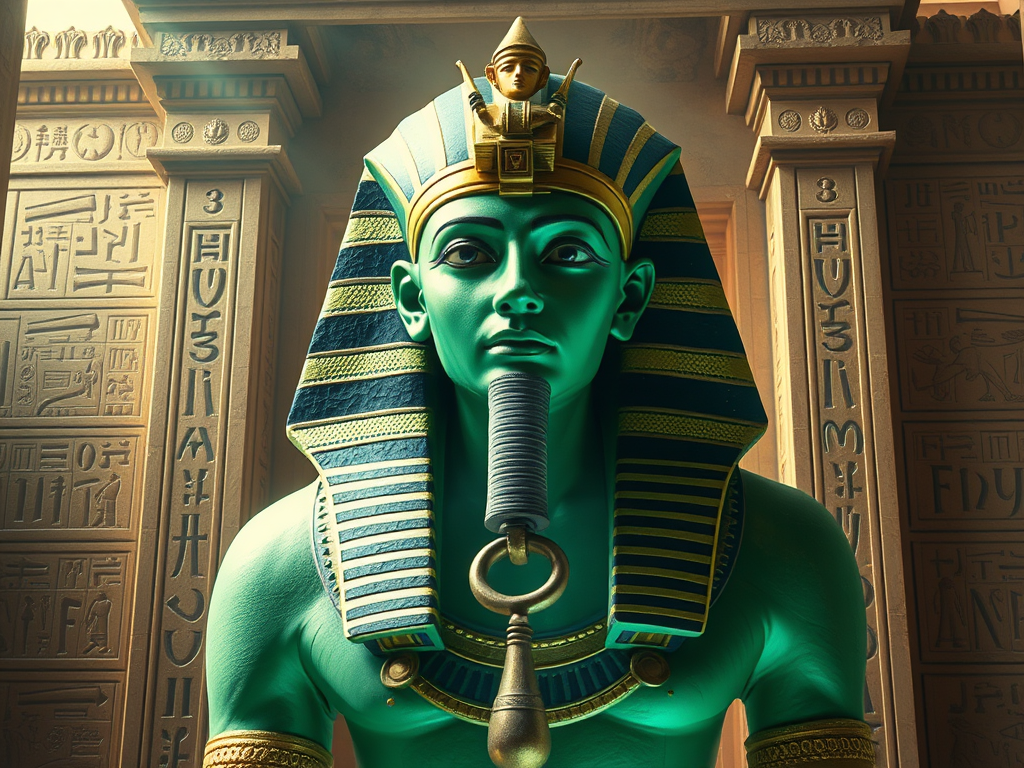
And who officiated these rites? The Sem-priests — possibly the ancient root of “Samiri”.
They carried the ankh, symbol of life through breath, and performed the “opening of the mouth” ceremony — a ritual designed to restore speech and spirit to statues or the dead.
🔱 In Vedic India: Prāṇapratiṣṭhā — Infusing Life into Stone
In Vedic culture, a similar rite exists even today: Prāṇapratiṣṭhā — “establishing the breath.”
- This ceremony infuses divine life into idols, allowing deities to dwell temporarily in matter.
- The use of mantras, breath, and focused intention serves as a spiritual technology.
The Vedas even speak of “vāk” (speech) and “prāṇa” (life-force) combining to manifest living forms, much like the calf of Samiri which could “low.”
⚠️ Forbidden Science or Forgotten Science?
The golden calf of As-Samiri is often treated as an object of idol worship, but the Quran hints it was a technological-spiritual hybrid. Something so advanced that even the Israelites, having seen real miracles, were awed into submission.
And who would have the knowledge to perform this?
- A Sem-priest of Egypt with access to Pharaoh’s mystic libraries?
- A Chaldean or Sumerian initiate carrying oral transmissions of temple animism?
- A Sabian magician of Harran, well-versed in the metaphysics of stars and sounds?
👁️ Final Reflections: As-Samiri as a Survivor, Not Just a Deceiver
The Quran tells us that As-Samiri was banished, cursed to live isolated:
Moses said, “Go away then! And for ˹the rest of your˺ life you will surely be crying, ‘Do not touch ˹me˺!’ Then you will certainly have a fate that you cannot escape. Now look at your god to which you have been devoted: we will burn it up, then scatter it in the sea completely.”
— Surah Ṭā Hā (20:97), The Clear Quran
But this does not sound like a mere criminal. It sounds like a man who tampered with real, ancient forces—perhaps unknowingly resurrecting a knowledge that the Prophets were sent to suppress and redirect.
🌒 The Forgotten Ones Remember
As-Samiri may be a cipher for the last visible guardian of a priesthood, stretching back to the world before the Flood, before Babel, before Egypt’s monoliths whispered forgotten hymns.
His story echoes not merely idolatry—but the danger of reviving what the Divine once buried.
Some knowledge, like fire, gives light… or consumes.




















Leave a Reply