

The command descended like thunder—clear, irresistible, and final.
“Once I have fashioned him and breathed of My spirit into him, fall down in prostration to him!”
— Surah Sad (38:72), The Clear Quran
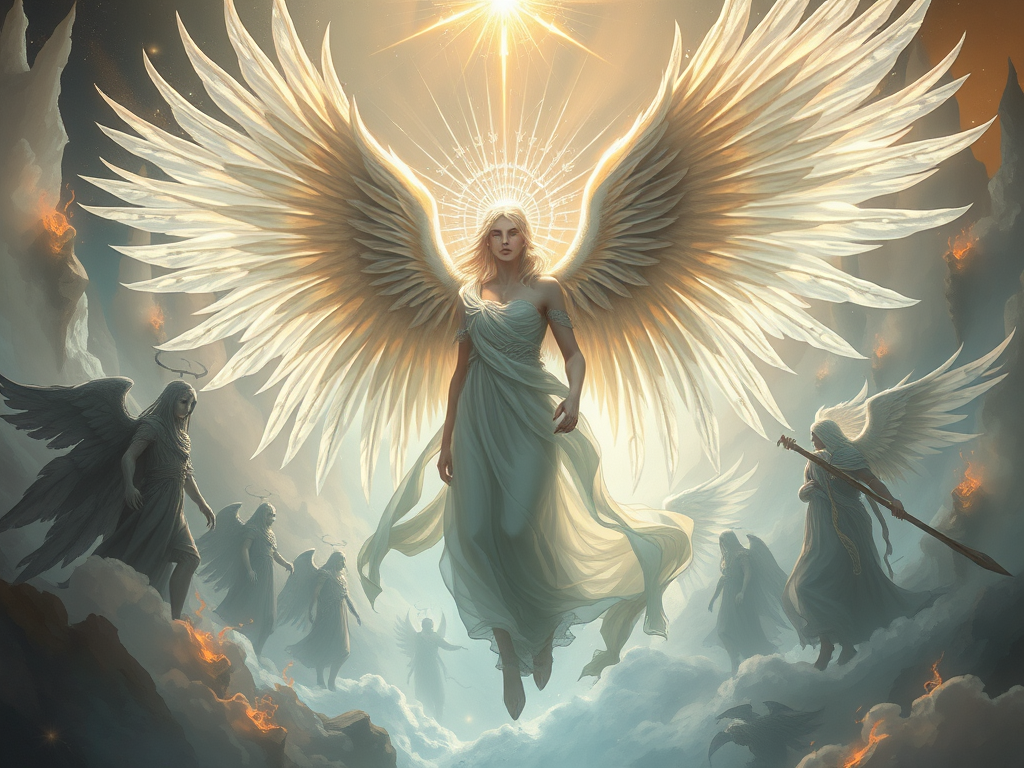
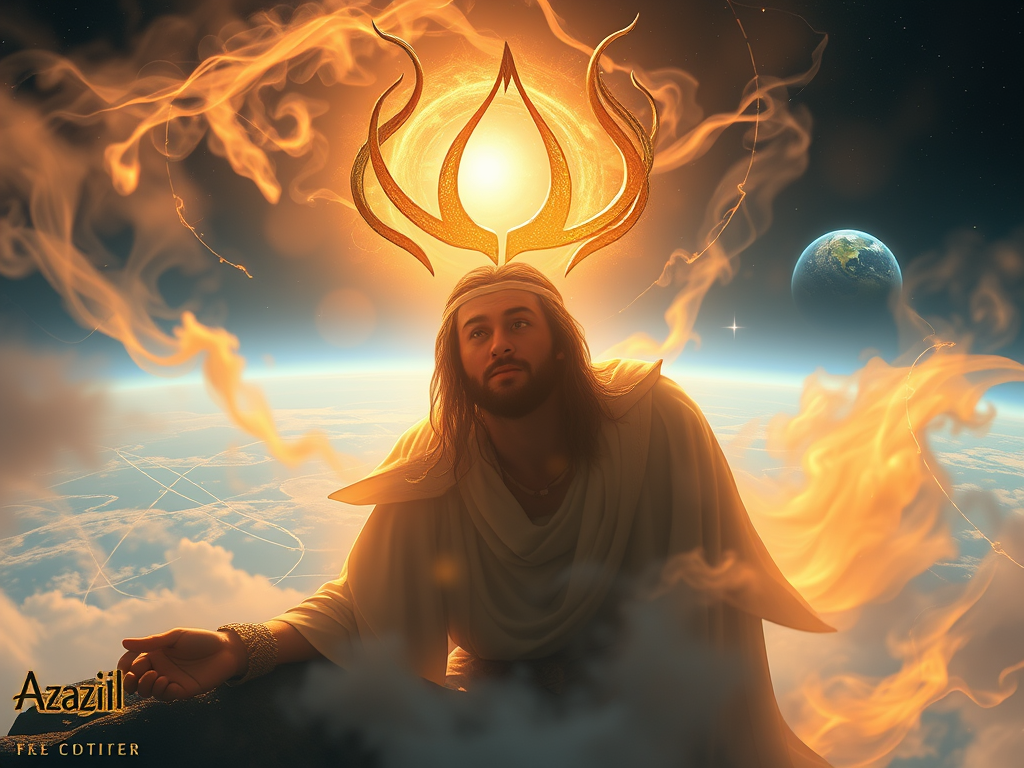
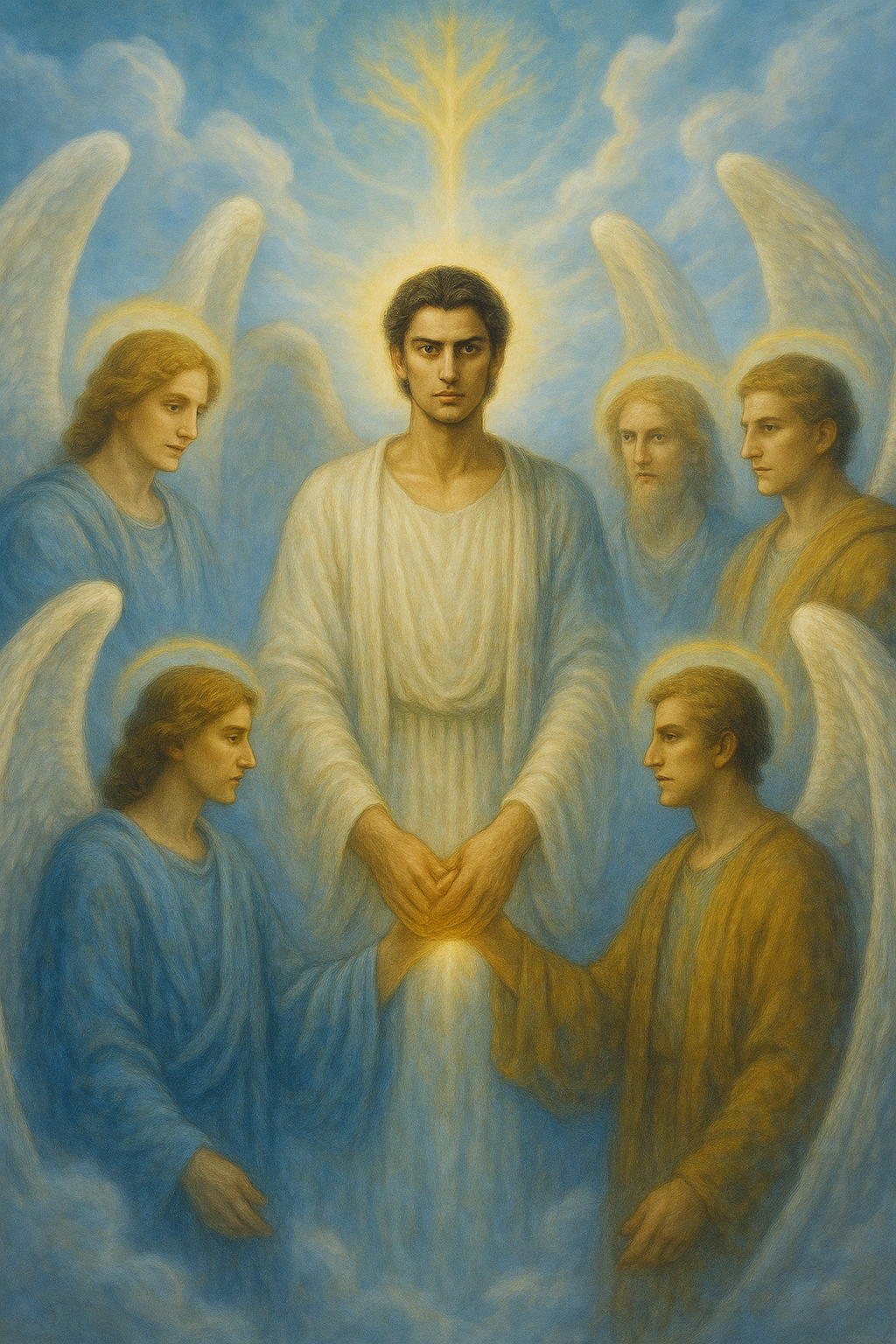
The heavens trembled with divine presence. One by one, without hesitation, the angels bowed. Their forms, forged from light, lowered in perfect obedience before the new creation: Adam.
They bowed not out of worship to Adam, but in obedience to Allah—a command of reverence, not servitude. The sujood was an act of divine recognition—honoring the ruh that Allah had breathed into man, and affirming Adam’s position as Khalifah upon the Earth.
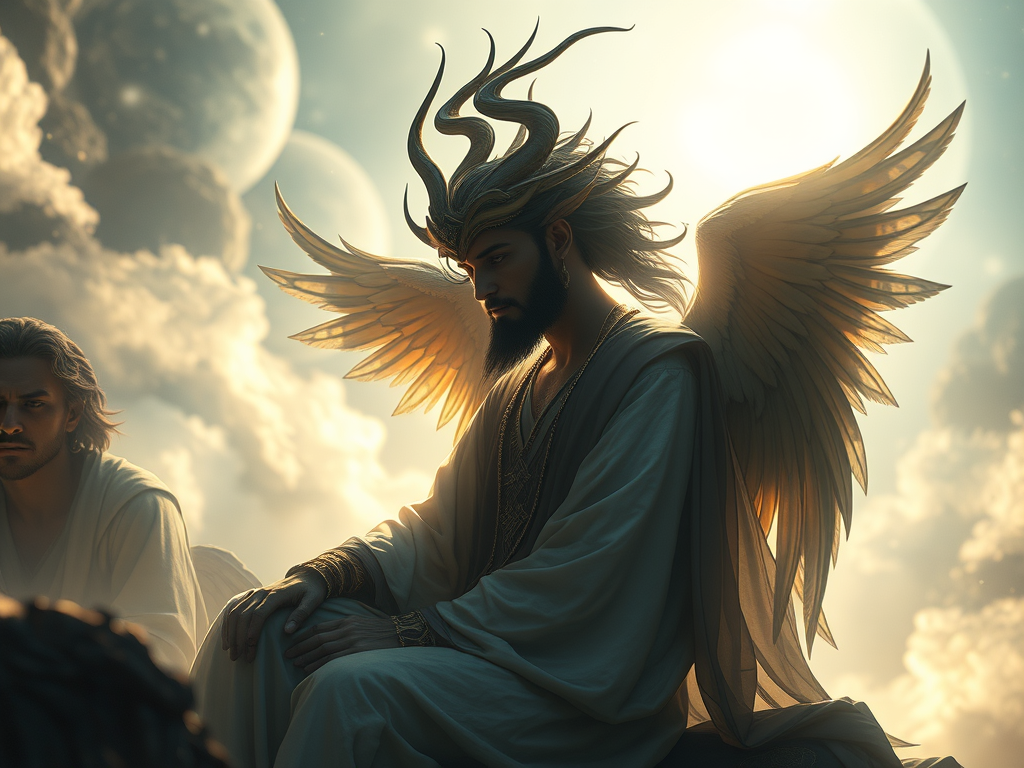
Azazil watched.
His heart raced. His breath was fire. His thoughts, louder than ever.
“Prostrate? To clay? To one I walked around before life was even granted to him?”
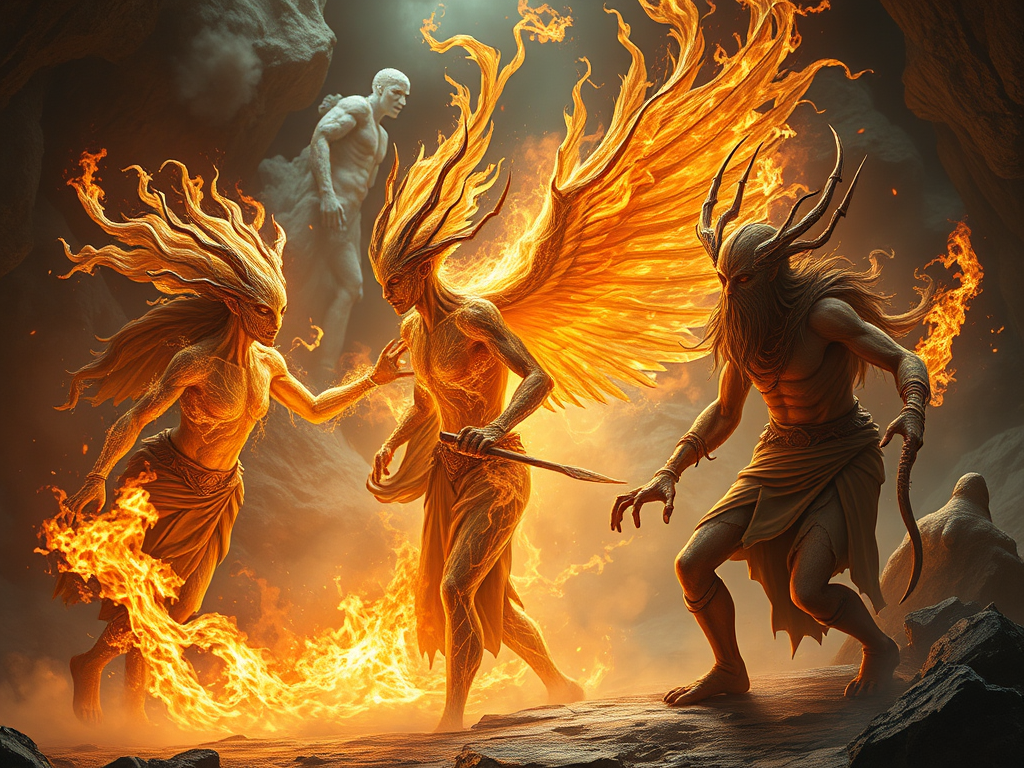
He had seen Adam’s lifeless form. He had inspected it, studied its stillness. And now, with one breath from the Creator, it had come alive—blessed, honored, and elevated.
“So all the angels prostrated together, except Iblîs, who acted arrogantly and became unfaithful.”
— Surah Sad (38:73–74), The Clear Quran
❌ The Refusal
Allah, in His boundless knowledge, questioned Iblis—not because He needed an answer, but to expose the sickness within.
Allah: “O Iblîs! What prevented you from prostrating to what I created with My Own Hands? Are you too proud, or do you think that you are superior?”
Iblis: “I am better than he is: You created me from fire and created him from clay.”
— Surah Sad (38:75), The Clear Quran
It was not intellect that guided Iblis. It was not devotion that restrained him. It was pride, a flame darker than fire, more blinding than any light. He did not see the ruh. He only saw the clay.
He forgot that obedience to Allah outweighs the judgment of form.

🔥 The Fall
Allah: “Then get out of Paradise, for you are truly cursed. And surely upon you is My condemnation until the Day of Judgment.”
— Surah Sad (38:77–78), The Clear Quran
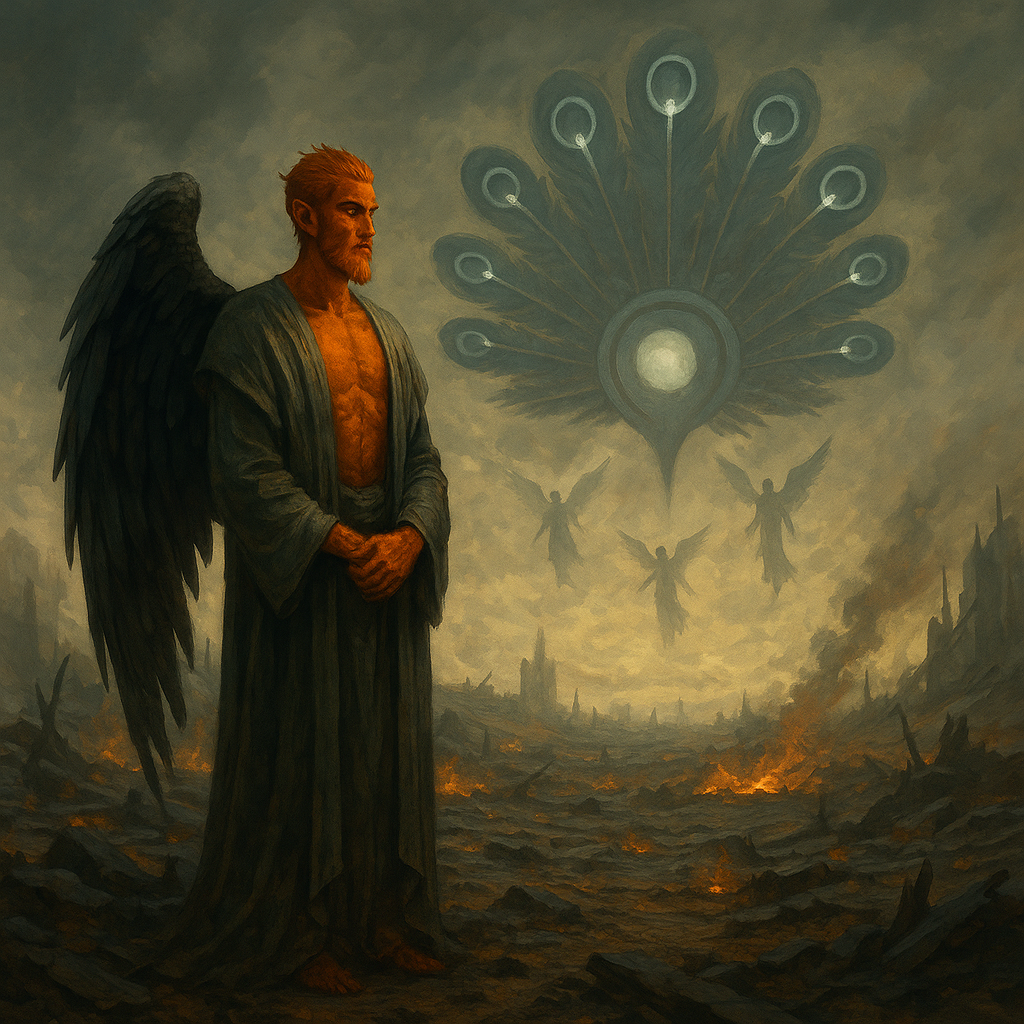
With those words, Iblis was cast out—stripped of his station, his titles, and his honor.
Azazil, the devoted, the commander of jinn, the one who prayed among angels—was no more.
He became Iblis, the one who despaired of Allah’s mercy, the one who chose self-righteousness over submission.
🌑 His Heart Unbowed
Iblis did not repent. He did not lower himself. Instead, he spoke again—this time, with defiance that echoed through the realms.
Iblis: “Then I swear by Your honour, I will definitely tempt them all—except Your chosen servants among them.”
— Surah Sad (38:82–83), The Clear Quran
He did not ask for forgiveness. He asked for respite—not to reflect, but to plot.
He did not grieve his fall. He embraced it.
“Then delay my end until the Day of their resurrection.”
— Surah Al-A’raf (7:14), The Clear Quran
And Allah, in His divine wisdom, granted it:
Allah: “You are delayed until the appointed Day.”
— Surah Al-A’raf (7:15), The Clear Quran
From that moment on, Earth would no longer be only a place of beauty and worship—it would become a battleground of hearts, where Iblis would test mankind, and where man would prove his worth through faith.
📚 Sources and Inspirations
All direct dialogues in this chapter are rooted in Qur’anic verses, using The Clear Quran translation by Dr. Mustafa Khattab, particularly:
- Surah Sad (38:71–85) – The full narrative of Iblis’s refusal and his defiant oath.
- Surah Al-A’raf (7:11–18) – The initial command and Iblis’s request for respite.
- Surah Al-Hijr (15:28–43) – The dialogue and the judgment pronounced upon Iblis.
- Surah Al-Baqarah (2:34) – The universal prostration of the angels.



















Leave a Reply